Everything you need to plan the perfect visit to Mexico’s most beautiful colonial city. From transportation and accommodation to weather, costs, and cultural insights – your complete San Miguel de Allende travel planning resource.
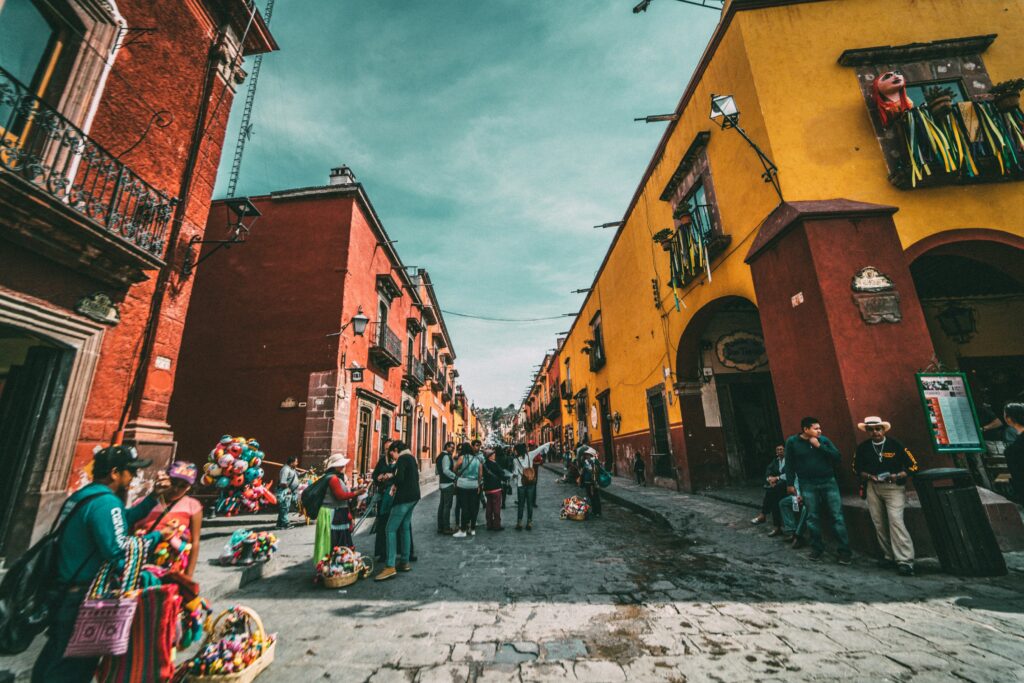
bt Jezael Melgoza on unsplash
Planning a trip to San Miguel de Allende requires more than just booking a hotel and flight. This UNESCO World Heritage colonial city offers unique experiences that deserve careful planning to maximize your time and enjoyment. From understanding the best times to visit to navigating transportation options and cultural considerations, proper planning ensures you’ll experience the magic of this Mexican gem without any surprises.
Our comprehensive planning guide covers every aspect of your San Miguel de Allende journey, providing practical information, insider tips, and local insights that will help you create an unforgettable experience in one of the world’s most enchanting destinations.
Getting to San Miguel de Allende
Flight Options
There is no airport in SMA, but there are cities about 1.5-hour drive away that have one, providing several convenient options for reaching this colonial treasure.
Nearest Airports:
León/Bajío International Airport (BJX): 1.5 hours away, most convenient option.
Querétaro Airport (QRO): 1.5 hours away, smaller but efficient, both national and international flights.
Mexico City Airport (MEX): 4 hours away, most flight options.
Airport Transportation:
Shared shuttles: $25-35 USD per person from León/Bajío / Queretaro Airport
Private transfers: $120-180 USD for up to 4 people. Price may vary.
Car rental: Available at all airports
Bus service: From Mexico City, comfortable first-class buses available for San Miguel De Allende.
Alternative Transportation Routes
From Mexico City:
First-class bus: 4 hours, comfortable and affordable ($25-30 USD) Look for Primera Plus, and ETN.
Driving: 4 hours via Highway 57, well-maintained toll roads. Lot of traffic..
Private car service: $200-300 USD, door-to-door convenience.
From Other Mexican Cities:
Guadalajara: 3/4 hours by car or bus
Guanajuato: 1.5 hours by car or bus
Querétaro: 1.5 hours by car or bus
León: 1.5 hours by car or bus
Travel Documents & Requirements
Verify your passport’s validity, check visa requirements, and make photocopies of important papers. U.S., Canadian and European citizens need a valid passport for entry to Mexico.
Midday: Warm and sunny, ideal for outdoor activities
Late Afternoon: Warmest part of day, some seasonal rain
Evening: Cooling down, perfect for dining and strolling
Night: Significantly cooler, layers essential
Where to Stay: Neighborhood Guide
Centro Histórico (Historic Center)
Best For: First-time visitors wanting to walk everywhere Atmosphere: Tourist-friendly with restaurants, shops, and main attractions Accommodation Types: Boutique hotels, luxury properties, vacation rentals Considerations: Can be noisy, especially weekends; premium pricing
Recommended Areas:
Near El Jardín: Maximum convenience, historic charm
Calle Relox: Quieter but still central
Around La Parroquia: Heart of the action
Atascadero
Best For: Modern amenities, parking availability, chain restaurants Atmosphere: Less colonial, more contemporary Mexican city feel Accommodation Types: Modern hotels, extended-stay properties Considerations: Need taxi or car to reach historic center
San Antonio/Aurora Area
Best For: Art lovers, unique accommodations, shopping at Fábrica La Aurora Atmosphere: Emerging neighborhood with galleries and creative spaces Accommodation Types: Boutique properties, artist-oriented lodging Considerations: Further from main tourist attractions
Transportation Within San Miguel de Allende
Getting Around the City
The whole city itself is walkable and you don’t need a car to explore. However, transportation options provide flexibility for various needs.
Walking:
Historic center completely walkable
Cobblestone streets require sturdy shoes
Most attractions within 10-15 minutes of each other
Free and provides best cultural immersion
Taxis:
Readily available throughout the city
Cash only, no credit cards accepted
Typical fares: 50-80 pesos within city center
Negotiate price before departure
Uber:
Very reliable service throughout San Miguel
Cashless payment convenient
Slightly more expensive than taxis
Available 24/7 with good coverage
Car Rental:
Useful for day trips and surrounding area exploration
Parking challenging in historic center
International driving permit recommended
Insurance coverage essential
Budget Planning & Costs
Daily Budget Guidelines
Budget Traveler: $30-50 USD per day
Hostel accommodation: $15-25
Local meals: $10-15
Local transportation: $5
Activities: $5-10
Mid-Range Traveler: $75-125 USD per day
Boutique hotel: $40-70
Mix of restaurant meals: $25-35
Taxis/tours: $15-20
Activities and entertainment: $10-20
Luxury Traveler: $150+ USD per day
High-end accommodation: $100+
Fine dining: $50+
Private transportation: $25+
Premium experiences: $25+
Cost Breakdown by Category
Accommodation:
Hostels: $15-25 USD/night
Mid-range hotels: $40-80 USD/night
Luxury properties: $100-300+ USD/night
Food & Dining:
Street food: $2-5 USD/meal
Casual restaurants: $8-15 USD/meal
Fine dining: $25-50+ USD/meal
Drinks: Beer $3-5, cocktails $6-12
Activities:
Museum admissions: $2-5 USD
Guided tours: $25-50 USD
Cooking classes: $50-100 USD
Day trips: $75-150 USD
Transportation:
Local taxis: $3-5 USD per ride
Airport transfers: $25-35 USD shared
Day trip transportation: $20-40 USD
Packing Essentials
Climate-Appropriate Clothing
Pack adaptable clothing suitable for the region’s climate, considering the significant temperature variations throughout the day.
Essential Items:
Layers: Light sweaters, cardigans for evening temperature drops
Comfortable walking shoes: Essential for cobblestone navigation
Sun protection: Hat, sunglasses, high SPF sunscreen
Rain gear: Light rain jacket for seasonal showers
Dressy attire: For upscale restaurants and cultural events
Seasonal Considerations:
Winter (Nov-Mar): Warm jacket for cold nights
Spring (Apr-May): Light layers, rain preparation
Summer (Jun-Aug): Rain gear, quick-dry clothing
Fall (Sep-Oct): Transitional layers, waterproof items
Cultural Considerations
Church visits: Modest clothing covering shoulders and knees
Upscale dining: Smart casual to formal attire
Art galleries: Comfortable walking shoes for extended exploration
Festival attendance: Comfortable clothes for crowds and walking
Health & Safety Preparation
Health Precautions
Medical Preparation:
Travel insurance with Mexico coverage
Prescription medications with extra supply
Basic first aid kit including altitude sickness remedies
Sunscreen (higher SPF for altitude)
Food & Water Safety:
Bottled or filtered water recommended
Eat at busy restaurants with high turnover
Avoid raw vegetables from street vendors
Practice basic food safety principles
Safety Considerations
San Miguel de Allende consistently ranks as one of Mexico’s safest cities for tourists, but standard travel precautions apply.
General Safety Tips:
Keep valuables in hotel safes
Avoid displaying expensive jewelry or electronics
Stay in well-lit areas at night
Be aware of surroundings in crowded areas
Trust your instincts about situations and people
Emergency Preparedness:
Emergency contacts: Police/Fire/Medical: 911
Tourist police available in historic center
Medical facilities: Hospital de la Fe (private, English-speaking staff)
Embassy contacts for your country
Cultural Insights & Etiquette
Language Preparation
Consider learning basic Spanish phrases to enhance your travel experience. While many tourism professionals speak English, basic Spanish shows respect and often leads to better interactions.
Essential Phrases:
Buenos días/Buenas tardes (Good morning/afternoon)
Por favor/Gracias (Please/Thank you)
¿Habla inglés? (Do you speak English?)
Disculpe (Excuse me)
La cuenta, por favor (The check, please)
Cultural Norms
Social Interactions:
Mexicans are generally warm and friendly
Greetings often include handshakes or light embraces
Personal space is smaller than in North America
Punctuality is more relaxed than in North American culture
Religious Respect:
Remove hats when entering churches
Dress modestly for religious sites
Photography may be restricted in churches
Observe quietly during religious services
Dining Etiquette:
Meals happen later than in North America
Tipping: 10-15% at restaurants
Sharing tables is common at casual establishments
Pace of service is typically slower and more relaxed
Technology & Communication
Connectivity Options
Internet Access:
Most hotels provide reliable WiFi
Many restaurants and cafes offer free internet
Plaza El Jardín has public WiFi access
Consider international phone plan or local SIM card
Phone Services:
International roaming can be expensive
Local SIM cards available for unlocked phones
WhatsApp widely used for communication
Telcel and Movistar are major carriers
Photography Considerations
Respect photography restrictions in churches
Ask permission before photographing people
Golden hour provides best lighting for architecture
Respect private property and cultural sensitivities
Final Planning Checklist
30 Days Before Departure
Book accommodation and flights
Arrange travel insurance
Check passport validity
Research weather and pack accordingly
Plan rough itinerary and book major activities
7 Days Before Departure
Confirm all reservations
Notify banks of travel plans
Download offline maps and translation apps
Prepare emergency contact list
Pack according to weather forecast
Day of Travel
Arrive at airport early for international flights
Carry copies of important documents
Have emergency contacts accessible
Prepare for altitude and climate changes
Bring entertainment for travel time
Conclusion
Planning your trip to San Miguel de Allende properly ensures you’ll experience all the magic this UNESCO World Heritage city has to offer. From the practical considerations of transportation and accommodation to the cultural insights that enhance your experience, careful preparation allows you to focus on enjoying the colonial charm, vibrant art scene, and warm hospitality that make San Miguel de Allende truly special.
Remember that the safety of your journey depends on careful planning and awareness, but don’t let planning overwhelm the anticipation of your adventure. San Miguel de Allende’s blend of old world charm and first world amenities creates an accessible yet authentic Mexican experience that rewards both careful planners and spontaneous explorers.
Frequently Asked Questions
When is the best time to visit San Miguel de Allende?
The best months are October through April, when temperatures are mild (70-78°F during the day) and rain is minimal. November through February is high season — book accommodations 2-3 months ahead. June through September is the rainy season with afternoon showers, but the countryside is lush and green, and prices drop 25-40%. For a detailed month-by-month breakdown, see our Weather & Best Time to Visit guide.
How do I get to San Miguel de Allende?
The closest airports are Querétaro (QRO, 1.5 hours) and León/Bajío (BJX, 1.5 hours). Mexico City (MEX) is 3.5 hours by car. From any airport, you can take a bus, private shuttle, or taxi. For detailed transport options including bus companies and shuttle services, see our Getting to San Miguel guide.
How many days do I need?
Three days is the sweet spot — enough to explore Centro, visit the hot springs, gallery-hop at Fábrica La Aurora, and have at least one memorable rooftop dinner. If you want to do day trips (Guanajuato, Dolores Hidalgo, wine country), plan for 5-7 days. See our 3-Day Itinerary for a detailed plan.
Is San Miguel de Allende safe?
Yes. San Miguel has notably low rates of violent crime and is considered one of the safest cities in Mexico. Walking at night in Centro is normal and comfortable. Standard travel awareness applies — keep valuables out of sight and use licensed taxis.
Do I need to speak Spanish?
In Centro and expat-heavy areas, you can get by with English. But learning even 50 words of Spanish will dramatically deepen your experience — the best restaurants, markets, and hidden gems often have no English menus or English-speaking staff.
What’s the cost of a trip?
A budget traveler can visit for $40-60 USD per day (hostel, street food, free activities). Mid-range travelers should budget $100-180 per day (boutique hotel, nice restaurants, a few tours). For a detailed budget breakdown, see our Budget Travel guide.
Which neighborhood should I stay in?
Centro is best for first-timers — walking distance to everything. Guadalupe offers better value with an artistic, local feel. San Antonio is residential and family-friendly. For a complete breakdown of every area, see our Neighborhood Guide.
Can I use US dollars?
Some tourist-oriented businesses accept USD, but the exchange rate is poor. MXN pesos are preferred everywhere. ATMs are widely available in Centro — withdraw pesos directly for the best rate.


Leave a Comment
No comments yet. Be the first to drop one!