
Get notified on new travel guides
No spam, just Awesome San Miguel De Allende guides.
They’re just 90 minutes apart, both UNESCO World Heritage sites, both colonial-era jewels of central Mexico — but San Miguel de Allende and Guanajuato City offer radically different experiences. If you’re trying to choose between them (or figure out how to split your time), here’s the honest comparison.
| San Miguel de Allende | Guanajuato City | |
|---|---|---|
| Vibe | Polished, artsy, cosmopolitan | Gritty, dramatic, student-fueled |
| Size | ~175,000 (compact Centro) | ~195,000 (sprawling canyon city) |
| Crowd | Expats, retirees, art collectors, foodies | Students, Mexican tourists, backpackers |
| Prices | High for Mexico (US-level in places) | Moderate (student-friendly prices) |
| Food scene | Farm-to-table, tasting menus, rooftop dining | Street food, fondas, student cantinas |
| Walkability | Very — flat Centro, compact | Moderate — steep hills, tunnels, callejones |
| Best for | Couples, foodies, art lovers, luxury travelers | Backpackers, students, culture seekers, solo travelers |
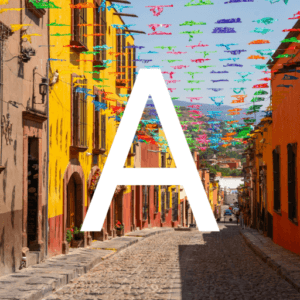
San Miguel feels curated. The streets are clean, the colonial facades are freshly painted, and there’s an art gallery or boutique hotel on every block. The expat influence is strong — English is widely spoken, and you’ll find yoga studios, organic markets, and third-wave coffee. It’s polished, photogenic, and undeniably beautiful. Some find it too polished — a “colonial Disneyland” for wealthy North Americans. Others love exactly that: a beautiful, safe, culturally rich city where you can get a world-class meal and sleep in a 300-year-old mansion.
Guanajuato feels alive in a different way. It’s a university town — the University of Guanajuato’s 30,000 students give the city a young, restless energy. The city is built into a canyon, with colorful houses stacked on steep hillsides and a network of underground tunnels replacing surface streets. It’s noisier, grittier, and more authentically Mexican — fewer expats, fewer English menus, more street life. The callejones (alleyways) are famously narrow and romantic, and there’s a tradition of callejoneadas — roving student-led musical parades through the streets at night.
| Expense (per day) | San Miguel (USD) | Guanajuato (USD) |
|---|---|---|
| Hostel dorm | $12–18 | $8–12 |
| Mid-range hotel | $80–150 | $40–80 |
| Meal at mid-range restaurant | $15–25 | $8–15 |
| Street food meal | $4–8 | $3–7 |
| Cocktail at a nice bar | $10–18 | $5–10 |
| Coffee | $2.50–4 | $1.50–3 |
| Daily backpacker budget | $40–60 | $25–40 |
| Daily mid-range budget | $100–180 | $60–120 |
The ideal trip splits your time. Spend 3–4 days in San Miguel for the food, art, and hot springs. Then take the 90-minute bus to Guanajuato for 2–3 days of callejones, cantinas, and canyon views. They complement each other beautifully — San Miguel for refinement, Guanajuato for raw energy. See our Getting to San Miguel guide for bus details.
No spam, just Awesome San Miguel De Allende guides.
Leave a Comment
No comments yet. Be the first to drop one!